
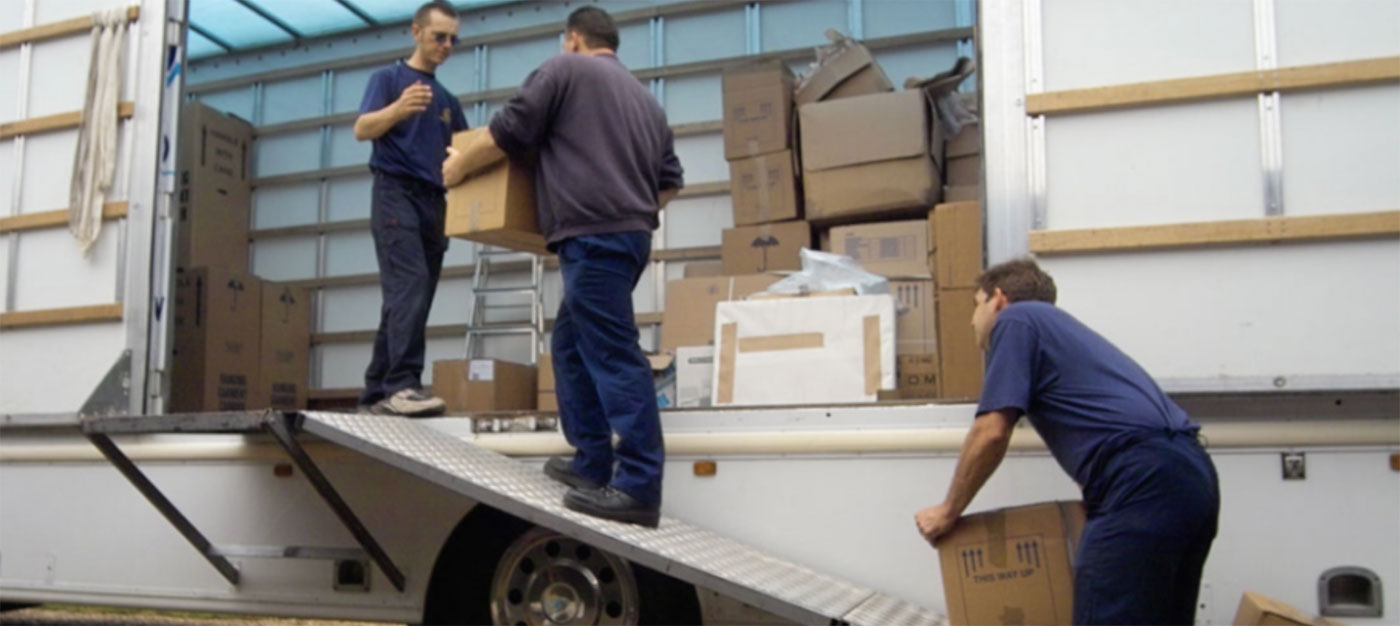
Moving house is one of the most stressful things most of us ever do, yet almost all of that stress comes down to packing. The average family fills between 60 and 100 boxes and spends 40 to 60 hours getting there. Do it in a planned order and moving day becomes calm. Do it the night before and it becomes chaos.
Poor packing is also the single biggest cause of damage. More than half of all damage claims during a house move trace back to boxes that were packed badly rather than anything that happened in the lorry. The good news is that the fix is simple. Give yourself time, buy proper materials and follow a system.
When to start packing
Begin six to eight weeks before your moving date. That window is long enough to pack calmly and short enough that you are not living out of boxes for months.
Open with things you will not miss. Christmas decorations, photo albums, books you have already read, out of season clothing and ornaments can all sit in a box for weeks without affecting daily life.
Book your removal company and your packing materials four to six weeks ahead. Early bookings get better dates and better prices, especially if you need a Friday or the end of the month.
Set weekly goals rather than packing in odd spare minutes. Two or three focused hours will clear a whole room. Ten scattered minutes will not.
The packing supplies you actually need
Small boxes are for heavy things such as books and crockery. Medium boxes handle kitchen items and general household clutter. Large boxes are only for light bulky things like bedding and pillows. Getting this right stops you building boxes nobody can safely lift.
- Double walled cartons in small, medium and large
- Proper packing tape and a tape gun, never masking tape
- Bubble wrap and plain packing paper for fragile items
- Wardrobe boxes for hanging clothes
- Permanent markers, coloured tape and resealable bags for hardware
- Mattress and sofa covers to keep soft furnishings clean
Do not overlook what you already own. Towels, blankets and jumpers make excellent padding and get packed at the same time.
Declutter before you pack
Sort every room into keep, sell, donate and dispose before a single box is taped. Moving is priced on volume, so every bag you clear is money saved.
List sale items four to six weeks out so they are gone before serious packing starts. Take clothes and books to a local charity. Take paint, chemicals and old medication to the household waste centre because no removals company can legally carry them.
Room by room packing strategy
Work from the top down
Start in the loft, then guest bedrooms, then the garage or shed. These spaces have the least impact on daily life. Leave the main bedroom, kitchen and family bathroom until the final week so your household keeps running normally.
Books and heavy items
Use small boxes for books and keep each one under roughly 18 kilograms. Pack books upright rather than flat so the spines are not crushed, fill gaps with socks or paper and write HEAVY in large letters on the outside.
Clothing and textiles
Leave hanging clothes on their hangers, gather ten to fifteen together and slide a wardrobe box or bag over the top. It saves hours of refolding at the other end. Shoes go in their own boxes or wrapped individually, and suitcases are perfect for heavy items because they have wheels.
Fragile items and valuables
Wrap plates individually and stand them on edge like records rather than stacking them flat. Glasses go in divided cartons with bubble wrap. Artwork travels between sheets of cardboard inside a blanket.
Jewellery, cash, passports, birth and marriage certificates should travel with you in the car, never in the lorry.
Electronics and appliances
Photograph the back of your TV and router before unplugging anything. Bag and label each cable set. Defrost and dry the fridge freezer 24 hours before the move and leave the door slightly ajar in transit.
A labelling system that actually works
- Number every box and keep a master list on your phone
- Write the destination room and contents on at least two sides
- Use one colour of tape per room so crews can sort at a glance
- Photograph valuable items before they go in the box
- Bag and tape furniture fixings to the piece they belong to
The final week
Keep a week of clothes out, leave cleaning supplies until last so you can clean the empty property, and keep chargers, laptops and work essentials with you until the morning itself.
Your essentials box
Pack one clear plastic box that travels in your own car. Toiletries, medication, chargers, a change of clothes for everyone, toilet roll, light bulbs, a kettle, mugs, tea and snacks. On the first night in the new house this box is worth more than everything in the lorry.
What removals crews cannot carry
- Paint, gas bottles, fuel, fireworks and cleaning chemicals
- Fresh and frozen food
- Cash, jewellery and irreplaceable documents
- Plants, which rarely survive a long move in a lorry
- Medication and anything you need the same day
Moving day preparation
The night before, dismantle beds and flat pack furniture, bag the fixings, charge every device and put keys, paperwork and contact numbers in one folder. Make sure parking is arranged at both ends. In central Reading a bay suspension needs booking weeks ahead.
If any of this feels like more than you want to take on, our Reading crews pack full houses in a day using the exact method above. Ask for packing to be added to your written quote and we will bring every material with us.
FAQs
Questions people ask us about this
01How many boxes do I need for a three bedroom house move?
Most three bedroom homes need 60 to 80 boxes. Allow 15 to 20 per bedroom and 20 to 25 for the kitchen and living areas. Order a few more than you think you need because running out mid pack stops everything.
02Should I pack clothes in boxes or leave them in the drawers?
Empty the drawers. The extra weight warps frames and breaks runners in transit. Use the empty drawers for light linen instead, and use wardrobe boxes for anything that creases.
03What is the best way to pack dishes so they do not break?
Wrap each plate in paper and stand them vertically on edge like records. Pad the base and the top of the box, fill every gap with towels and never stack plates flat because the weight above cracks them.
04How early is too early to start packing?
More than ten weeks out and you will forget what you packed and where it is. Six to eight weeks suits most households, or ten weeks for a large family home if you begin with the loft and garage.